


Courses
Design History I
This introductory course will discuss design history from the beginning of written communication through the industrial revolution and WWI. Although the focus will be on the study of visual communications in their historical contexts, the course will also include architecture, industrial, and environmental design.
Design History I
This introductory course will discuss design history from the beginning of written communication through the industrial revolution and WWI. Although the focus will be on the study of visual communications in their historical contexts, the course will also include architecture, industrial, and environmental design.
Design History II
This advanced course is a continuation of Design History I and will cover the history of design from WWII to the present. Although the focus will be on the study of visual communications in their historical contexts, other forms of design will be examined. Design discourse will focus on contemporary issues.
Design History II
This advanced course is a continuation of Design History I and will cover the history of design from WWII to the present. Although the focus will be on the study of visual communications in their historical contexts, other forms of design will be examined. Design discourse will focus on contemporary issues.
Design History II
This advanced course is a continuation of Design History I and will cover the history of design from WWII to the present. Although the focus will be on the study of visual communications in their historical contexts, other forms of design will be examined. Design discourse will focus on contemporary issues.
Art History II
This course provides an introduction to the history of Western art from the Early Renaissance period to the modern period. Organized chronologically, it nevertheless takes a thematic approach to the production of material culture over time, focusing attention on such decisive factors as power, gender, patronage, iconography, etc.
Art History II
This course provides an introduction to the history of Western art from the Early Renaissance period to the modern period. Organized chronologically, it nevertheless takes a thematic approach to the production of material culture over time, focusing attention on such decisive factors as power, gender, patronage, iconography, etc.
Art History II
This course provides an introduction to the history of Western art from the Early Renaissance period to the modern period. Organized chronologically, it nevertheless takes a thematic approach to the production of material culture over time, focusing attention on such decisive factors as power, gender, patronage, iconography, etc.
Modern Art
Modern Art traces the development of modernism in Western art, following a rough chronology from the late nineteenth century in Europe to the end of the Second World War in Europe and the United States. This course covers the major stylistic movements with which modern artists have been associated (including Expressionism, Cubism, Dada, and Surrealism) and explores the critical and theoretical terms with which this art has been discussed.
Modern Art
Modern Art traces the development of modernism in Western art, following a rough chronology from the late nineteenth century in Europe to the end of the Second World War in Europe and the United States. This course covers the major stylistic movements with which modern artists have been associated (including Expressionism, Cubism, Dada, and Surrealism) and explores the critical and theoretical terms with which this art has been discussed.
Modern Art
Modern Art traces the development of modernism in Western art, following a rough chronology from the late nineteenth century in Europe to the end of the Second World War in Europe and the United States. This course covers the major stylistic movements with which modern artists have been associated (including Expressionism, Cubism, Dada, and Surrealism) and explores the critical and theoretical terms with which this art has been discussed.
CLICK ME!
CLICK ME!
Bio
Benjamin Benus, Professor of Art and Design History, received his PhD from the University of Maryland in College Park. He specializes in the history of modern art, with a focus on twentieth-century graphic design in Europe and the United States.
His scholarship, which examines historical connections between modernist design and data visualization, has been supported with research fellowships from the Vienna Circle Institute at the University of Vienna; the Wolfsonian-Florida International University in Miami; and the Newberry Library in Chicago.
He is the author of Herbert Bayer’s World Geo-Graphic Atlas and Information Design at Midcentury (RIT Press, 2023) and co-curator of the related exhibition, “Concept of a Visualist: Herbert Bayer’s World Geo-Graphic Atlas,” at the Aspen Institute’s Resnick Center for Herbert Bayer Studies in Aspen, Colorado.
Benjamin Benus, Professor of Art and Design History, received his PhD from the University of Maryland in College Park. He specializes in the history of modern art, with a focus on twentieth-century graphic design in Europe and the United States.
His scholarship, which examines historical connections between modernist design and data visualization, has been supported with research fellowships from the Vienna Circle Institute at the University of Vienna; the Wolfsonian-Florida International University in Miami; and the Newberry Library in Chicago.
He is the author of Herbert Bayer’s World Geo-Graphic Atlas and Information Design at Midcentury (RIT Press, 2023) and co-curator of the related exhibition, “Concept of a Visualist: Herbert Bayer’s World Geo-Graphic Atlas,” at the Aspen Institute’s Resnick Center for Herbert Bayer Studies in Aspen, Colorado.
Benjamin Benus, Professor of Art and Design History, received his PhD from the University of Maryland in College Park. He specializes in the history of modern art, with a focus on twentieth-century graphic design in Europe and the United States.
His scholarship, which examines historical connections between modernist design and data visualization, has been supported with research fellowships from the Vienna Circle Institute at the University of Vienna; the Wolfsonian-Florida International University in Miami; and the Newberry Library in Chicago.
He is the author of Herbert Bayer’s World Geo-Graphic Atlas and Information Design at Midcentury (RIT Press, 2023) and co-curator of the related exhibition, “Concept of a Visualist: Herbert Bayer’s World Geo-Graphic Atlas,” at the Aspen Institute’s Resnick Center for Herbert Bayer Studies in Aspen, Colorado.
Contact
bmbenus@loyno.edu
bmbenus@loyno.edu
Projects
Herbert Bayer’s World Geo-Graphic Atlas and Information Design at Midcentury. Rochester, NY: RIT Press, 2023.
“Modernist Graphics, New Typography, and the Design of Identity in the First Czechoslovak Republic.” In Design and Heritage: The Construction of Identity and Belonging, edited by Rebecca Houze and Grace Lees-Maffei, 229–241. New York: Routledge, 2021.
“Otto Neurath’s Social History of Art.” In Creative Collaboration in Art, Practice, Research and Pedagogy, edited by M. Kathryn Shields and Sunny Spillane, 137–164. Newcastle upon Tyne: Cambridge Scholars Publishing, 2018.
“The Vienna Method in Amsterdam: Peter Alma’s Office for Pictorial Statistics” (coauthored with Wim Jansen). Design Issues 32, no. 2 (Spring 2016): 19–36.
“Figurative Constructivism and Sociological Graphics.” In Isotype: Design and Contexts, 1925–1971, edited by Christopher Burke, Eric Kindel, and Sue Walker, 216–248. London: Hyphen Press, 2013.
Herbert Bayer’s World Geo-Graphic Atlas and Information Design at Midcentury. Rochester, NY: RIT Press, 2023.
“Modernist Graphics, New Typography, and the Design of Identity in the First Czechoslovak Republic.” In Design and Heritage: The Construction of Identity and Belonging, edited by Rebecca Houze and Grace Lees-Maffei, 229–241. New York: Routledge, 2021.
“Otto Neurath’s Social History of Art.” In Creative Collaboration in Art, Practice, Research and Pedagogy, edited by M. Kathryn Shields and Sunny Spillane, 137–164. Newcastle upon Tyne: Cambridge Scholars Publishing, 2018.
“The Vienna Method in Amsterdam: Peter Alma’s Office for Pictorial Statistics” (coauthored with Wim Jansen). Design Issues 32, no. 2 (Spring 2016): 19–36.
“Figurative Constructivism and Sociological Graphics.” In Isotype: Design and Contexts, 1925–1971, edited by Christopher Burke, Eric Kindel, and Sue Walker, 216–248. London: Hyphen Press, 2013.
Herbert Bayer’s World Geo-Graphic Atlas and Information Design at Midcentury. Rochester, NY: RIT Press, 2023.
“Modernist Graphics, New Typography, and the Design of Identity in the First Czechoslovak Republic.” In Design and Heritage: The Construction of Identity and Belonging, edited by Rebecca Houze and Grace Lees-Maffei, 229–241. New York: Routledge, 2021.
“Otto Neurath’s Social History of Art.” In Creative Collaboration in Art, Practice, Research and Pedagogy, edited by M. Kathryn Shields and Sunny Spillane, 137–164. Newcastle upon Tyne: Cambridge Scholars Publishing, 2018.
“The Vienna Method in Amsterdam: Peter Alma’s Office for Pictorial Statistics” (coauthored with Wim Jansen). Design Issues 32, no. 2 (Spring 2016): 19–36.
“Figurative Constructivism and Sociological Graphics.” In Isotype: Design and Contexts, 1925–1971, edited by Christopher Burke, Eric Kindel, and Sue Walker, 216–248. London: Hyphen Press, 2013.
CHOSEN BY STUDENTS, TO UPLIFT STUDENTS
SPOTLIGHT DESIGNS



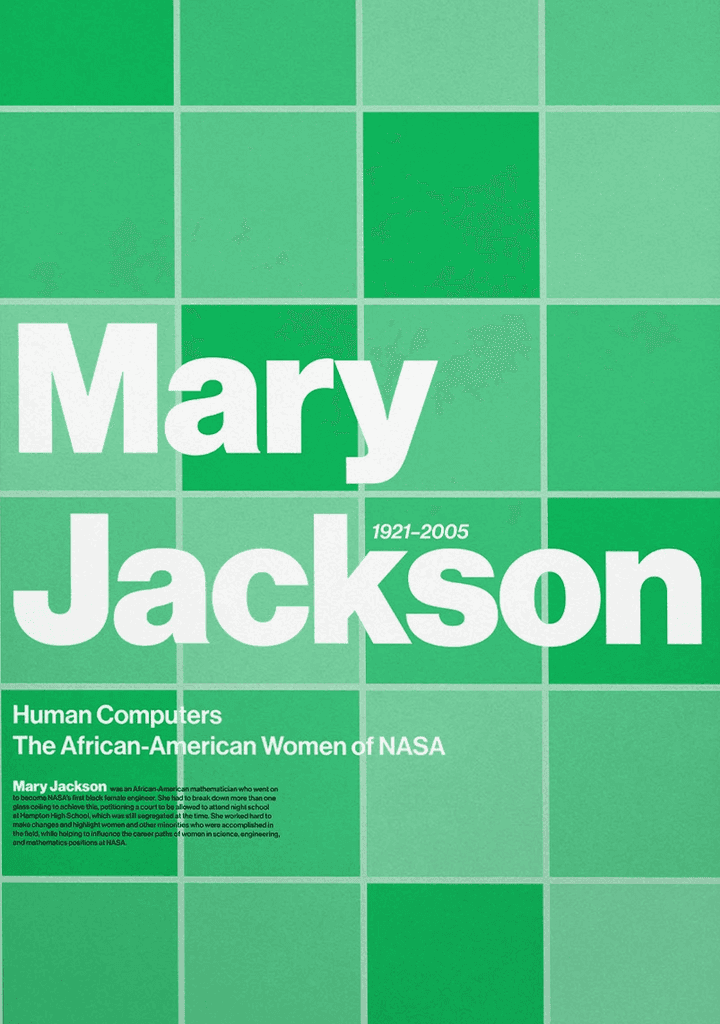



© CTRL+Z
Agile Development Team, Fall 2025
© CTRL+Z
Agile Development Team, Fall 2025
© CTRL+Z
Agile Development Team, Fall 2025