


Courses
Interactive I
Students are introduced to interactive narrative through design and coding. Principles of composition for the screen: scale, weight, space, texture, direction, form, color will be explored. Other basic design foundations including color, grid, methodology, craftsmanship and tools for creating interactive design will be covered. This course introduces the concept of narrative by examining multiple interactive formats like websites, apps, and e-readers.
Interactive I
Students are introduced to interactive narrative through design and coding. Principles of composition for the screen: scale, weight, space, texture, direction, form, color will be explored. Other basic design foundations including color, grid, methodology, craftsmanship and tools for creating interactive design will be covered. This course introduces the concept of narrative by examining multiple interactive formats like websites, apps, and e-readers.
Interactive II
This is an advanced course in interactive narrative that will go beyond the web, although the class begins by building upon and refreshing existing web design skills. This course expands the concept of narrative by examining multiple interactive formats like websites, apps, and e- readers. Coding will be emphasized and designing for different platforms will be explored.
Interactive II
This is an advanced course in interactive narrative that will go beyond the web, although the class begins by building upon and refreshing existing web design skills. This course expands the concept of narrative by examining multiple interactive formats like websites, apps, and e- readers. Coding will be emphasized and designing for different platforms will be explored.
Interactive II
This is an advanced course in interactive narrative that will go beyond the web, although the class begins by building upon and refreshing existing web design skills. This course expands the concept of narrative by examining multiple interactive formats like websites, apps, and e- readers. Coding will be emphasized and designing for different platforms will be explored.
Web Portfolio
This studio course, as part of Design Topics, offers exploration and analysis of selected topics with a specific contemporary design focus. This course may be taken 3 times for credit as long as different topics are offered.
Web Portfolio
This studio course, as part of Design Topics, offers exploration and analysis of selected topics with a specific contemporary design focus. This course may be taken 3 times for credit as long as different topics are offered.
Web Portfolio
This studio course, as part of Design Topics, offers exploration and analysis of selected topics with a specific contemporary design focus. This course may be taken 3 times for credit as long as different topics are offered.
Design Capstone
This final design course serves as a capstone experience for the design program. Students will author their own project where they will identify a problem and design an appropriate solution. Students are encouraged to choose projects that will propel them to the next stage after graduation.
This course includes a final exhibition which is reviewed by outside design professionals. On completion of the course, each student must submit a process book for final project and documentation of work completed in the senior year.
Design Capstone
This final design course serves as a capstone experience for the design program. Students will author their own project where they will identify a problem and design an appropriate solution. Students are encouraged to choose projects that will propel them to the next stage after graduation.
This course includes a final exhibition which is reviewed by outside design professionals. On completion of the course, each student must submit a process book for final project and documentation of work completed in the senior year.
Design Capstone
This final design course serves as a capstone experience for the design program. Students will author their own project where they will identify a problem and design an appropriate solution. Students are encouraged to choose projects that will propel them to the next stage after graduation.
This course includes a final exhibition which is reviewed by outside design professionals. On completion of the course, each student must submit a process book for final project and documentation of work completed in the senior year.
CLICK ME!
CLICK ME!
Bio
Lina Lee received a Ph.D. from the Department of Software and Information Systems at UNC Charlotte. She received a B.S. and a M.S. in Housing and Interior Design from Kyung Hee University in South Korea. She then received a dual degree: M.S. in Architecture and M.S. in Human Computer Interaction from UNC Charlotte.
Currently, she is a guest editor of the special issue, "Age-Friendly Technologies: Interaction Design with and for Older People," of the International Journal of Environmental Research and Public Health (IJERPH). She is a review editor on the editorial board of Environmental Psychology (Specialty section of Frontiers in Psychology).
Her research interest is in the area of human–computer interaction, with a particular focus on the significance of technology for aging populations, the cognitive effects of embodied interaction, and research methodologies and analytic models.
Lina Lee received a Ph.D. from the Department of Software and Information Systems at UNC Charlotte. She received a B.S. and a M.S. in Housing and Interior Design from Kyung Hee University in South Korea. She then received a dual degree: M.S. in Architecture and M.S. in Human Computer Interaction from UNC Charlotte.
Currently, she is a guest editor of the special issue, "Age-Friendly Technologies: Interaction Design with and for Older People," of the International Journal of Environmental Research and Public Health (IJERPH). She is a review editor on the editorial board of Environmental Psychology (Specialty section of Frontiers in Psychology).
Her research interest is in the area of human–computer interaction, with a particular focus on the significance of technology for aging populations, the cognitive effects of embodied interaction, and research methodologies and analytic models.
Contact
llee1@loyno.edu
llee1@loyno.edu
CHOSEN BY STUDENTS, TO UPLIFT STUDENTS
SPOTLIGHT DESIGNS



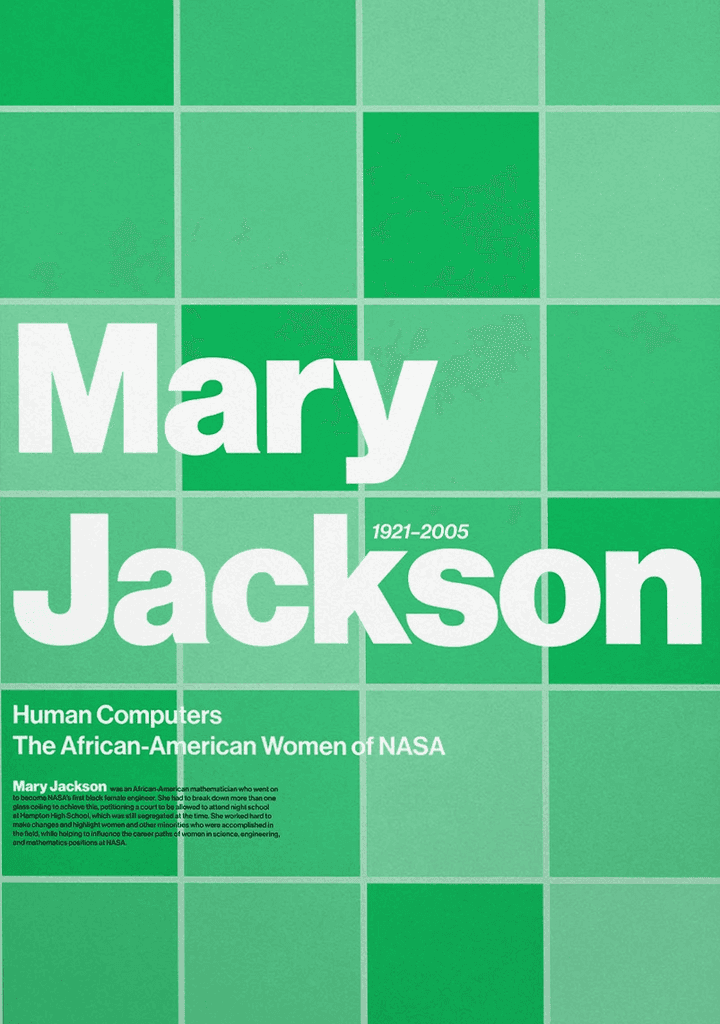


© CTRL+Z
Agile Development Team, Fall 2025
© CTRL+Z
Agile Development Team, Fall 2025
© CTRL+Z
Agile Development Team, Fall 2025